…capital of the Algarve southern region of Portugal

Faro is the capital of the Algarve region, located in the south of Portugal, attracting international tourism and a preferred holiday destination for both national and international tourists. During the summer months, the Algarve population significantly increases to over 2 million, resulting in a growth in trade and profitability opportunities for real estate investors, who invest in properties for rent. The nightlife in the Algarve is also one of the major attractions during the hot summer months, when practically all villages, towns and cities organize events to entertain the population visiting the region. Unlike the winter months, when bars only have movement during the weekend, in summer the nightlife has a lot of offerings, with beach bars, discos, and festivals.
Travel to Faro

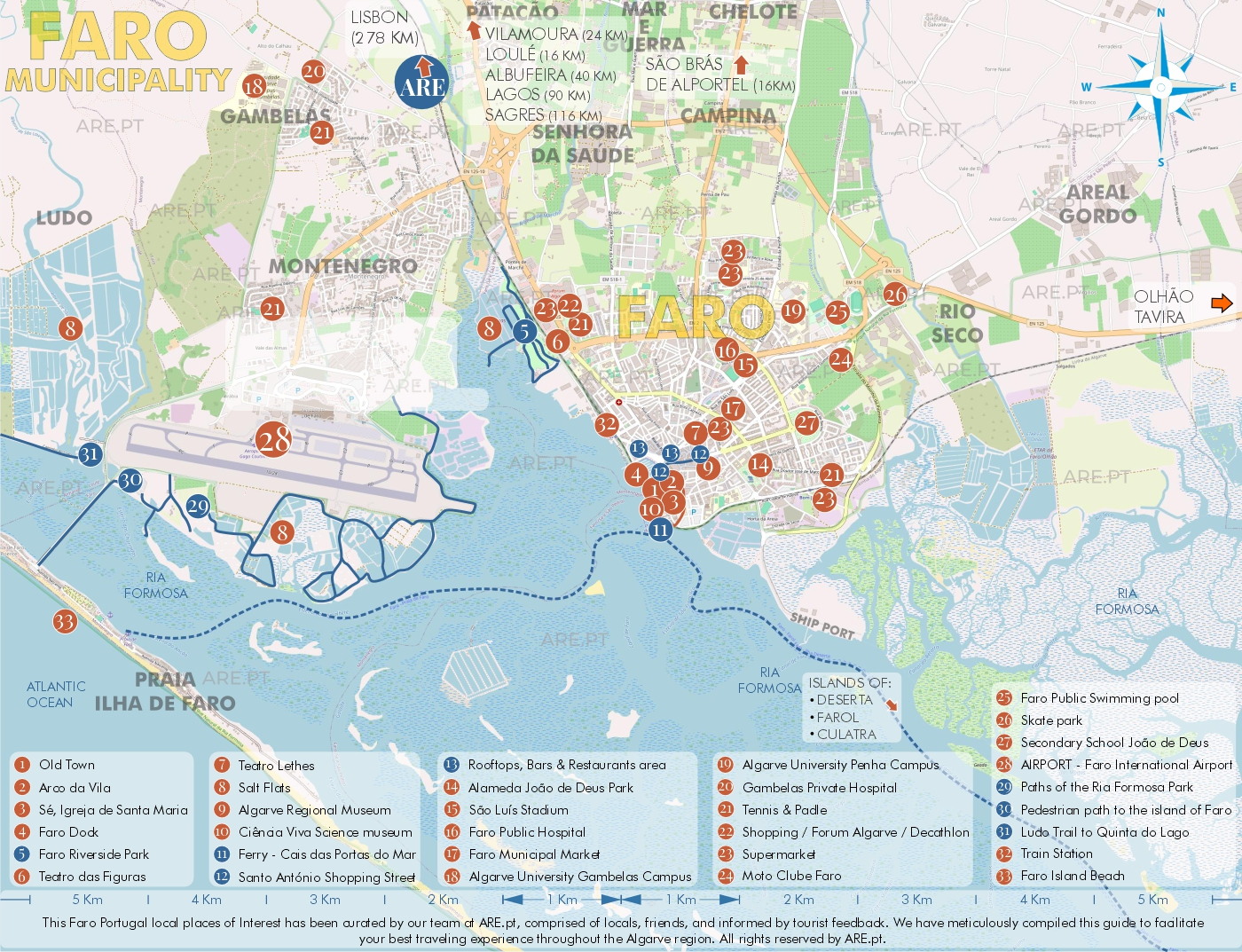
Access to Faro is easy. International flights arrive at Faro airport from most European capitals. From Faro to other cities in Portugal, there is a train station in the city center with connections to Lisbon and Porto, a bus station, with connections to all cities in Portugal and to Seville in Spain. The international airport of Faro has direct flights to the main European capitals in approximately 2 hours. Faro has highway connection to all municipalities of the Algarve, Lisbon, Porto, Evora, major cities in Portugal, and Spain, with Sevilla only 2 hours drive away.

In Faro, the marina is designed for smaller vessels due to the location of a train line. The waterway’s exit passes underneath this rail line, allowing passage only during low and mid-tide conditions, limiting the size of boats that can safely navigate the area. In contrast, the marinas in Vilamoura, Portimão, and Lagos are equipped to accommodate larger vessels.

Walking in Faro

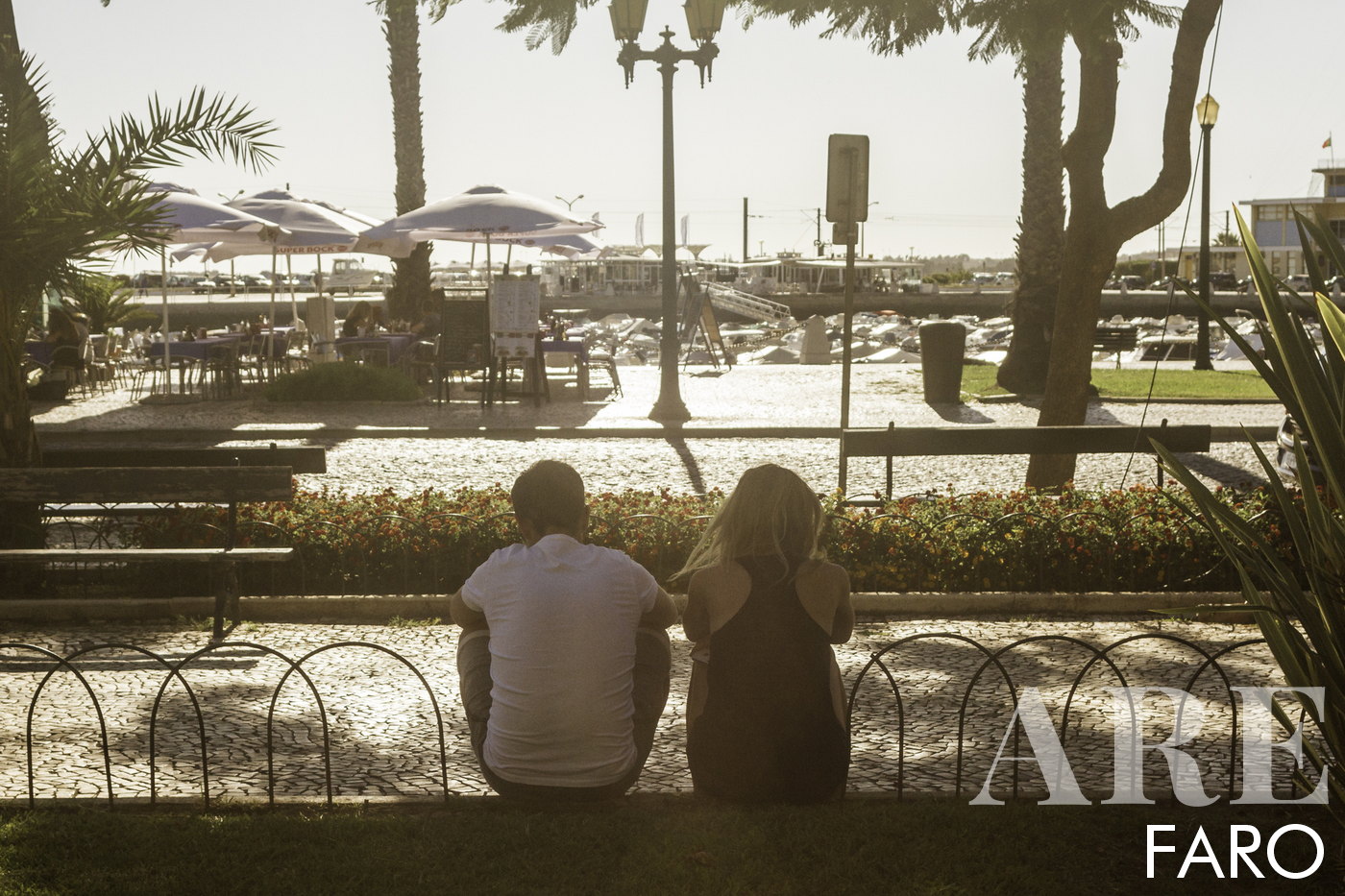
Faro is a place to walk and enjoy, with excellent conditions for walking and cycling in the city and in nature along the coast. From the Jardim Manuel Bívar in the coastal centre of Faro, to the west, we find the Faro Ribeirinho Park, with pedestrian paths and coastal cycle paths tens of km’s long connecting to the airport 7km away, and to Faro beach, 9km away. South of Jardim Manuel Bívar, there is a boat connection to the islands of Ria Formosa.


Main attractions to visit in Faro


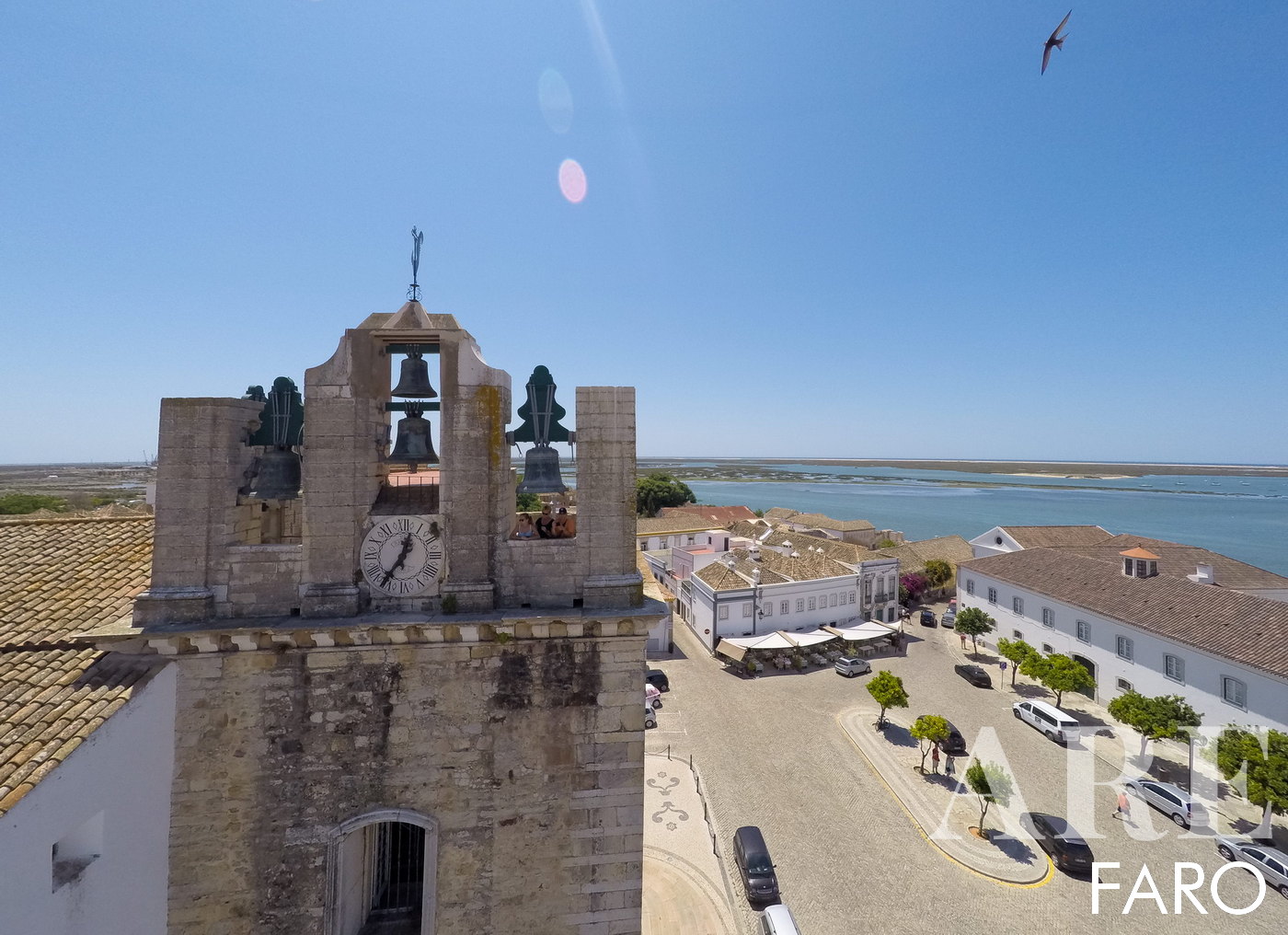
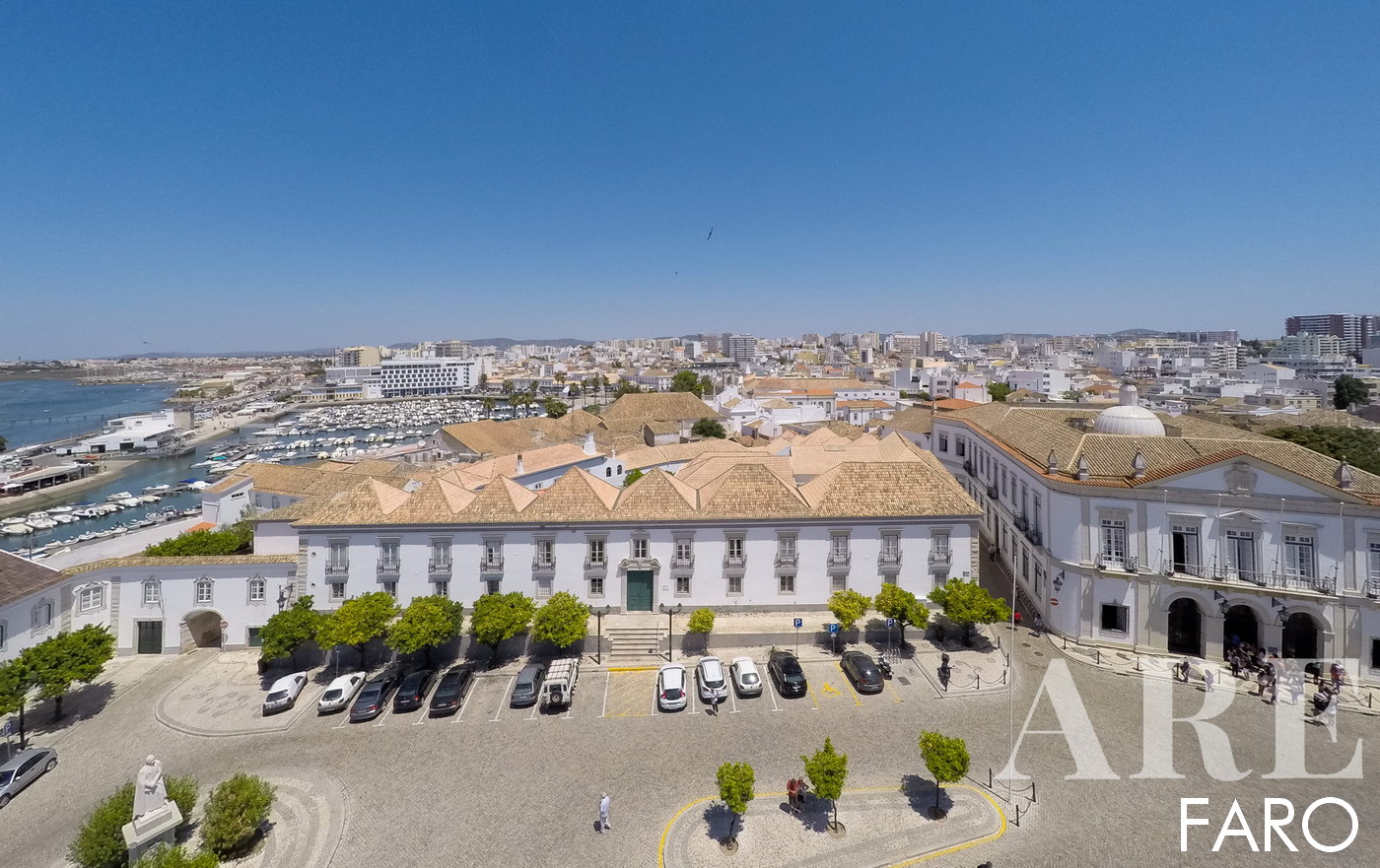

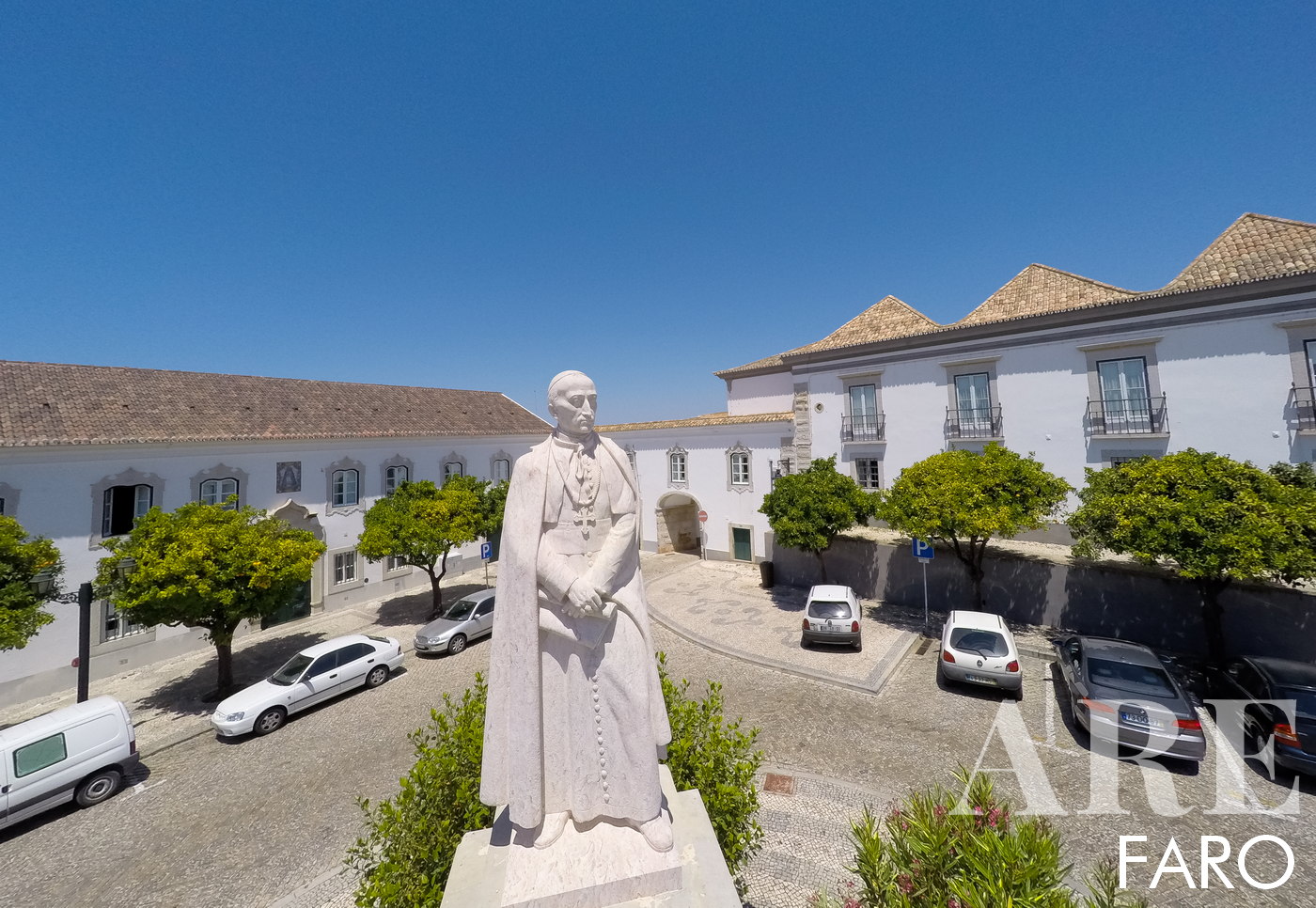


Main attractions to visit in Faro

- Ilha Deserta beach – for those who like the beach, on the various islands of the natural park we find beaches of great beauty, with the Ilha Deserta beach being one of the most spectacular. On the Deserta island, there is the Estaminé restaurant, one of the best beach restaurants in the Algarve…
- Culatra Island – on the island of Culatra we find the local fishing population with a fishing port. In front of Culatra, in the Ria channel, there is a landscape of yachts that anchor and remain in the shelter of the channel, creating an idyllic landscape.
- Hangares – Hangares are a fishing village located west of the Culatra population.
- Armona Island – Located in the eastern part of Ria Formosa, the island’s beach has a transformation in front of the entrance to the bar, gaining more than 100 meters of beach with the low tide.
- Farol Island – Farol Island is the most modernized population of all the islands. Located at Cape Santa Maria, here we find the Lighthouse of Cape Santa Maria, a point of interest that can be visited, climbing to the top where we glimpse a fantastic panoramic view over the Atlantic Ocean, the local populations, the ria, Olhão, Faro and the Algarve mountains.
- Grelha Salinas – the Grelha Salinas are traditional salt pans that operate according to ancestral methods, adapted as a tourist attraction that aims to promote the long tradition in the production of salt in the Ria Formosa in the Algarve, dating back to Roman times.

Regional Museum of Algarve – a museum where we find permanent exhibitions about the historical life throughout the centuries of the local inhabitants of the Algarve region, with archaeological artifacts, historical documents and photographs. In the museum we can also visit a section dedicated to fishing and maritime industry in the Algarve

Lethes Theater – is one of the oldest theaters in Portugal. It opened in 1599 as the College of Saint Francis Xavier and became a theater in 1845. The Lethes Theater has an impressive neoclassical façade and an intimate interior decorated with velvets, with a unique and appealing charm creating a cozy atmosphere, with its 19th century decorative details. The performance room has a capacity for approximately 300 people and hosts a variety of cultural events, including theater plays, classical music concerts, poetry recitals and lectures. Theater of Figures – a cultural center 2km northwest of downtown Faro Algarve, which serves as the city’s main theater and concert hall, with a capacity for 600 seats, excellent acoustics where regular theater, dance and concerts, conferences, and other cultural events take place. In addition to the regular programming of events, the Theater of Figures also organizes music and dance festivals, film screenings, and art and culture workshops. Admiral Ramalho Ortigão Maritime Museum – The Admiral Ramalho Ortigão Maritime Museum in Faro is a captivating tribute to Portugal’s seafaring heritage. Exhibiting naval artifacts and insightful historical narratives, it offers a deep dive into the country’s rich maritime past. Algarve Living Science Center (Centro Ciência Viva do Algarve) – a major hub for science education in Faro, Portugal. The center offers a range of interactive exhibits and activities designed to make learning about science, technology, and the natural world fun and engaging for all ages.
Other highly sought-after places of interest in Faro!
Forum Algarve Shopping – a shopping center located 2km northwest of downtown Faro, where we find cinemas, Jumbo hypermarket, Bertrand bookstore, Apple store, Fnac, Zara, Massimo Dutty, food court, Lusiadas Forum Algarve Private Clinic, University of Algarve, Penha Campus – Faro International Airport – is the second busiest airport in Portugal. It has an air connection in approximately 2h30 hours with the main European cities. Faro International Airport is located in front of the city of Faro, surrounded by Ria Formosa. Access to the airport is made by the parish of Montenegro, at a distance of six kilometers from the center of the city of Faro.
Health Institutions
- Private Hospital of Algarve – Gambelas – HPA Health Group
- Lusiadas Forum Algarve Clinic
Charming Hotels, 5 and 4 stars
3HB Faro Hotel – The 3HB Faro Hotel, Faro’s latest 5-star establishment, sits in the city’s heart, winning guests over with its impressive offerings. The Hábito rooftop restaurant serves tantalizing cuisine, complemented by a rooftop infinity pool offering city, Ria Formosa, and Atlantic ocean vistas. The luxurious rooms and suites feature private jacuzzis, and a rejuvenating spa completes this premier hospitality experience.

Eva Senses Hotel – 4 star hotel with rooftop pool located in the center of Faro Faro Hotel – 4 star hotel with rooftop restaurant located in the center of Faro
Brief history of the city of Faro
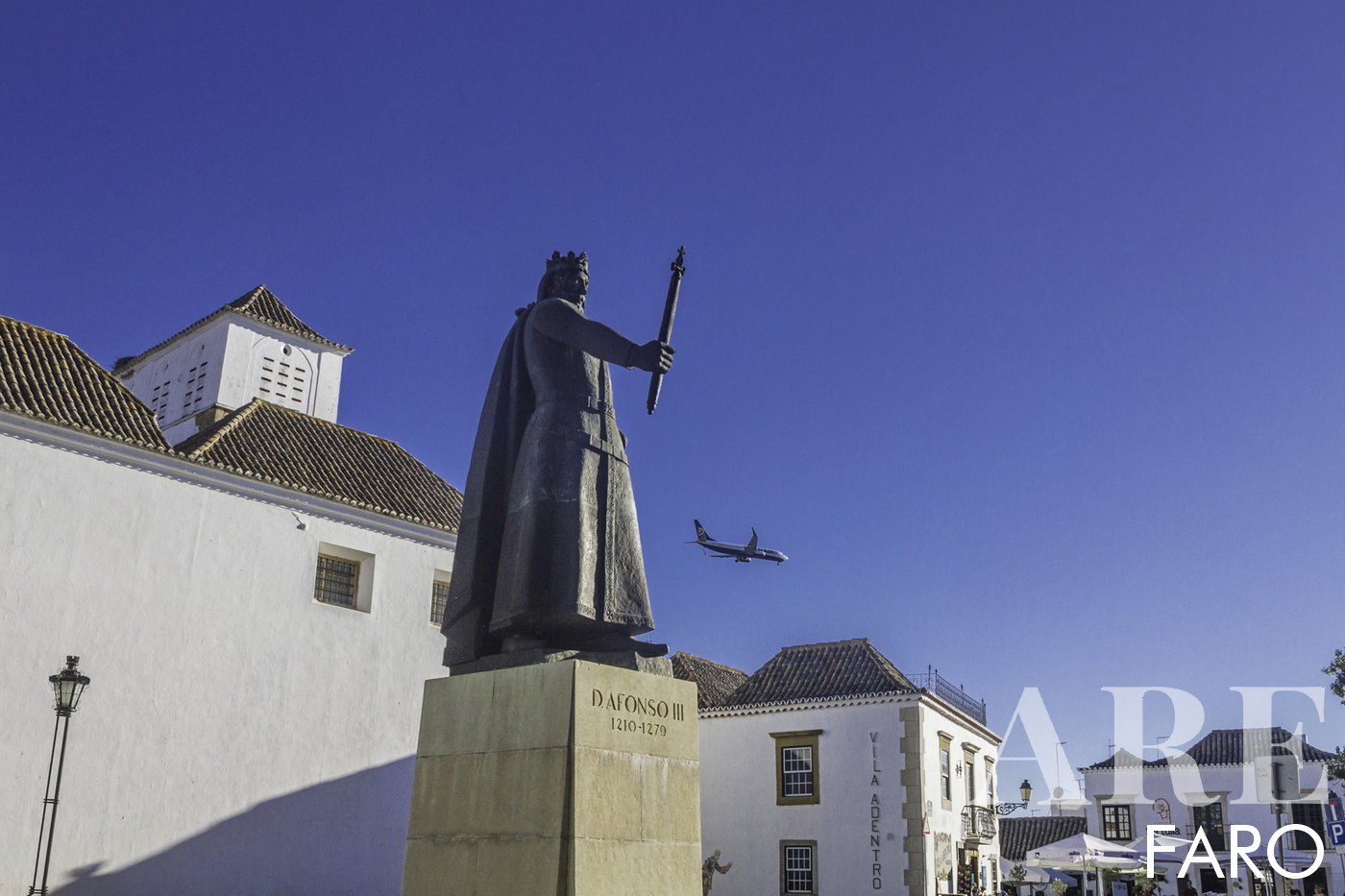
Faro (Ossonoba) is a Roman city from the 8th century Before the Modern Era. It is the capital of the Algarve since 1956. The old name of the city was Ossonoba, baptized by the Romans. The city of Ossonoba was conquered by D. Afonso III in 1249, having been baptized “Santa Maria de Faaron”, which originated the current name of the city, Faro. With 47,000 inhabitants, Faro holds most of the administrative services of the Algarve region.
Urbanism of Faro
Faro is a multifaceted city, dominated by a variety of administrative services, educational institutions, a district hospital, and a lively shopping street that extends into a bar and entertainment area. This coastal metropolis, separated from the Ria Formosa by a railway, a seaport and an airport, expands both inland, extending to the village of Estoi, and to the mountains, reaching the village of Santa Bárbara de Nexe. The peripheral areas of Faro are popularly known as the “old gardens”, characterized by the presence of vast orange groves and vegetable gardens that supply the region’s large hypermarkets. Faro Beach, one of the city’s main attractions, is located about 9 km away, situated on a peninsula known as Faro Island. Access to the peninsula is provided by a bridge that accommodates road and pedestrian traffic, with a wooden walkway. In addition to being possible to reach the beach through the extension of the beaches of Quinta do Lago and Quarteira.
Borders of the city and municipality of Faro
The southern border of Faro is defined by the Atlantic Ocean coast. To the east, Faro borders the municipality of Olhão, known for its cubist architecture, and for the markets by the sea. To the west, Faro is bounded by the municipality of Loulé, a city famous for its historical market and castle. The N125 road is one of the main connections between the two cities. To the north, Faro borders the municipality of São Brás de Alportel, a city in the Algarve interior known for cork production.
Distances to the city center of Faro
- Faro International Airport – 6.5 km
- Faro Beach- 9 km
- Portimão, Portugal – 60 km
- Porto, Portugal – 556 km
- Lisbon, Portugal – 277 km
- Huelva, Spain – 112 km
- Seville, Spain – 201 km